
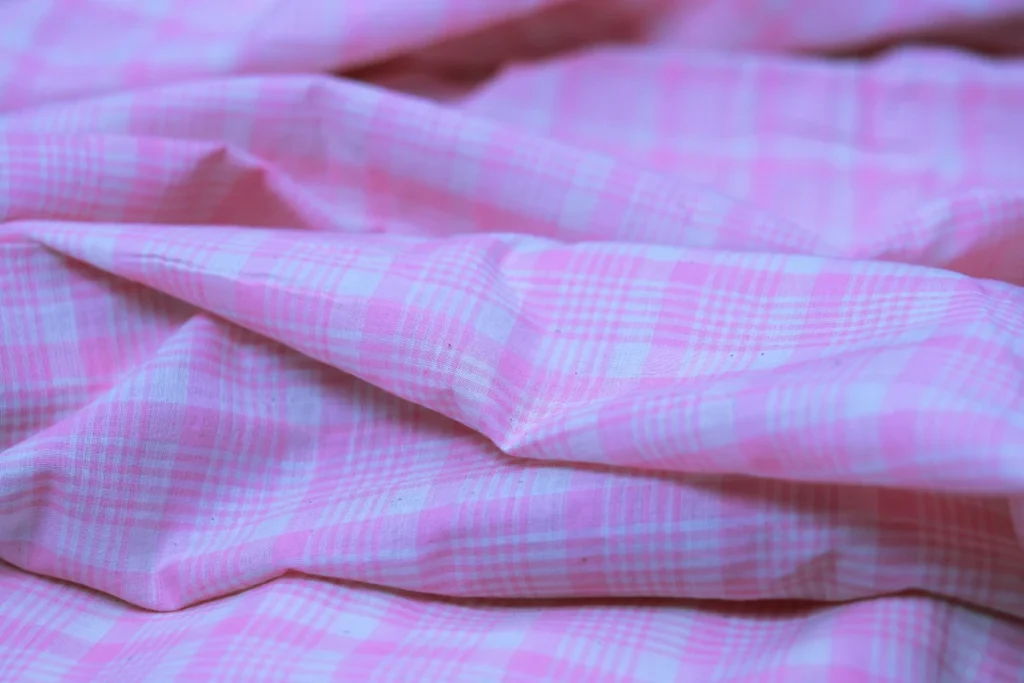
India has a rich and diverse textile heritage, with handloom weaving playing an important role in the country’s fabric industry for centuries. Today, Indian handloom fabrics are increasingly sought after by international fashion brands, designers, wholesalers, home textile companies, and businesses looking for distinctive and naturally crafted textiles.
From handloom cotton and linen to silk and Jamdani, Indian manufacturers offer a wide range of fabrics suitable for apparel, accessories, home textiles, hospitality and lifestyle products.
For international buyers, however, choosing the right fabric involves more than simply selecting a material. Factors such as fabric composition, yarn quality, GSM, weave, texture, finishing, customization, MOQ and quality control should all be considered before placing a bulk order.
This guide explains the major types of Indian handloom fabrics and the key factors international buyers should consider when sourcing from India.
What Are Indian Handloom Fabrics?
Indian handloom fabrics are textiles produced using hand-operated looms. Unlike mass-produced machine-made fabrics, handloom weaving involves considerable manual skill and craftsmanship.
Depending on the region, yarn, weaving technique and design, handloom fabrics can have distinctive textures, patterns and finishes.
India’s different weaving traditions have resulted in a wide variety of handloom textiles, making the country an important sourcing destination for businesses looking for unique fabrics.
Some popular Indian handloom fabrics include:
- Handloom Cotton Fabric
- Khadi Cotton Fabric
- Handloom Linen Fabric
- Handloom Silk Fabric
- Jamdani Fabric
- Handloom Towels
- Handloom Scarves & Stoles
Why Are International Buyers Choosing Indian Handloom Fabrics?
There are several reasons why Indian handloom fabrics are attractive to international buyers.
1. Rich Textile Heritage
India has centuries of experience in weaving and textile craftsmanship. Different regions have developed their own weaving traditions, techniques and designs.
2. Natural Fabric Options
Indian manufacturers offer a wide range of natural textile options, including cotton, linen and silk.
3. Unique Textures
Handloom weaving can create distinctive textures and visual characteristics that contribute to the identity of a finished product.
4. Customization
Depending on the manufacturer’s capabilities, buyers may be able to request specific:
- Colors
- Designs
- Patterns
- Widths
- GSM
- Weaves
- Finishes
- Fabric compositions
5. Suitable for Multiple Industries
Indian handloom fabrics are not limited to fashion. They can be used across apparel, home textiles, accessories, hospitality and lifestyle products.
What Should International Buyers Check Before Ordering?
Choosing a suitable handloom fabric requires careful evaluation.
Here are some of the most important factors to discuss with your manufacturer.
1. Fabric Composition
Confirm the exact fiber composition of the fabric.
For example:
- Cotton
- Linen
- Silk
- Cotton blends
- Linen blends
The composition should match your product requirements and market expectations.
2. GSM
GSM (grams per square metre) indicates the approximate weight of the fabric.
Different applications require different fabric weights.
For example, a lightweight fabric may be suitable for summer apparel, while heavier fabrics may be better suited for home textiles or certain accessories.
3. Fabric Width
Fabric width is another important consideration when planning production.
Before ordering, confirm:
- Finished width
- Usable width
- Selvage
- Shrinkage allowance
This can help manufacturers and buyers calculate fabric requirements more accurately.
4. Weave and Texture
The weave influences the appearance, strength, drape and feel of a fabric.
International buyers should request samples before confirming large production orders.
5. Colorfastness
For dyed fabrics, buyers should discuss colorfastness requirements with the manufacturer.
Depending on the final application, testing may be required for:
- Washing
- Rubbing
- Light
- Perspiration
6. Shrinkage
Natural fabrics can experience some dimensional change after washing or processing.
Buyers should discuss expected shrinkage and finishing requirements before production.
7. Sampling
Ordering samples before a bulk purchase is strongly recommended.
A sample allows buyers to evaluate:
- Fabric feel
- Color
- Texture
- GSM
- Weave
- Width
- Finish
- Overall quality
How to Source Handloom Fabrics from India
International buyers looking to source Indian handloom fabrics should take a structured approach.
Step 1: Define Your Requirements
Prepare details such as:
- Fabric type
- Composition
- GSM
- Width
- Color
- Weave
- Quantity
- Intended application
- Finishing requirements
Step 2: Find a Suitable Manufacturer
Look for a manufacturer with experience in the specific type of fabric you require.
Step 3: Request Samples
Always evaluate samples before confirming a large order.
Step 4: Discuss Customization
If you require custom colors, designs, widths or specifications, discuss these requirements before production begins.
Step 5: Confirm Commercial Details
Discuss:
- MOQ
- Price
- Lead time
- Payment terms
- Packaging
- Shipping
- Production schedule
Step 6: Establish Quality Standards
Agree on the quality specifications and inspection requirements before bulk production.
Why Choose Eco Fabric Corner?
Eco Fabric Corner is an Indian manufacturer and exporter of handloom fabrics for international markets.
Our product range includes:
- Handloom Khadi Cotton Fabric
- Handloom Cotton Fabric
- Handloom Linen Fabric
- Handloom Silk Fabric
- Jamdani Fabric
- Handloom Towels
- Handloom Scarves & Stoles
We work with businesses looking for Indian handloom textiles for fashion, home textiles, accessories, hospitality and lifestyle applications.
Our focus is on combining India’s traditional weaving heritage with the requirements of modern international buyers.
Looking for Indian handloom fabrics for your next collection or textile project?
Contact Eco Fabric Corner to discuss your fabric requirements and request samples.